top of page
Search

Stag's Leap Wine Cellar: An Integral Vision of Architecture and Winemaking Tradition

  • Writer: BC estudio Group
    BC estudio Group
  • Aug 13
  • 8 min read

By Javier Barba Torra, Founder and CEO of BC estudiogroup


When I look back at my work at Stag's Leap Wine Cellars, I don't see two separate projects, but rather an integral vision that has developed over time. What began with the design of the underground wine cellar naturally transformed into the creation of the visitor center, together forming an architectural ecosystem that celebrates both winemaking tradition and the contemporary visitor experience. This project represents, for me, one of the most complete explorations of how architecture can serve both productive function and human experience in perfect harmony.


Stag's Leap Wine Cellar

Stag's Leap Wine Cellar: Designing for the Essence of Wine

My first approach to Stag's Leap began in the depths of the earth, designing the spaces where wine rests and matures. The underground caves we created are not simply storage spaces; they are sanctuaries where time and temperature are controlled with millimetric precision to allow each wine to reach its maximum potential.


When I designed these caves, I thought of the great European winemaking traditions I have studied for decades. The underground cellars of Champagne, the Catalan caves, the chais of Bordeaux - all these spaces share a special atmospheric quality that arises from being in direct contact with the earth. In Napa Valley, I wanted to capture that same essence but adapt it to the unique character of the California landscape.


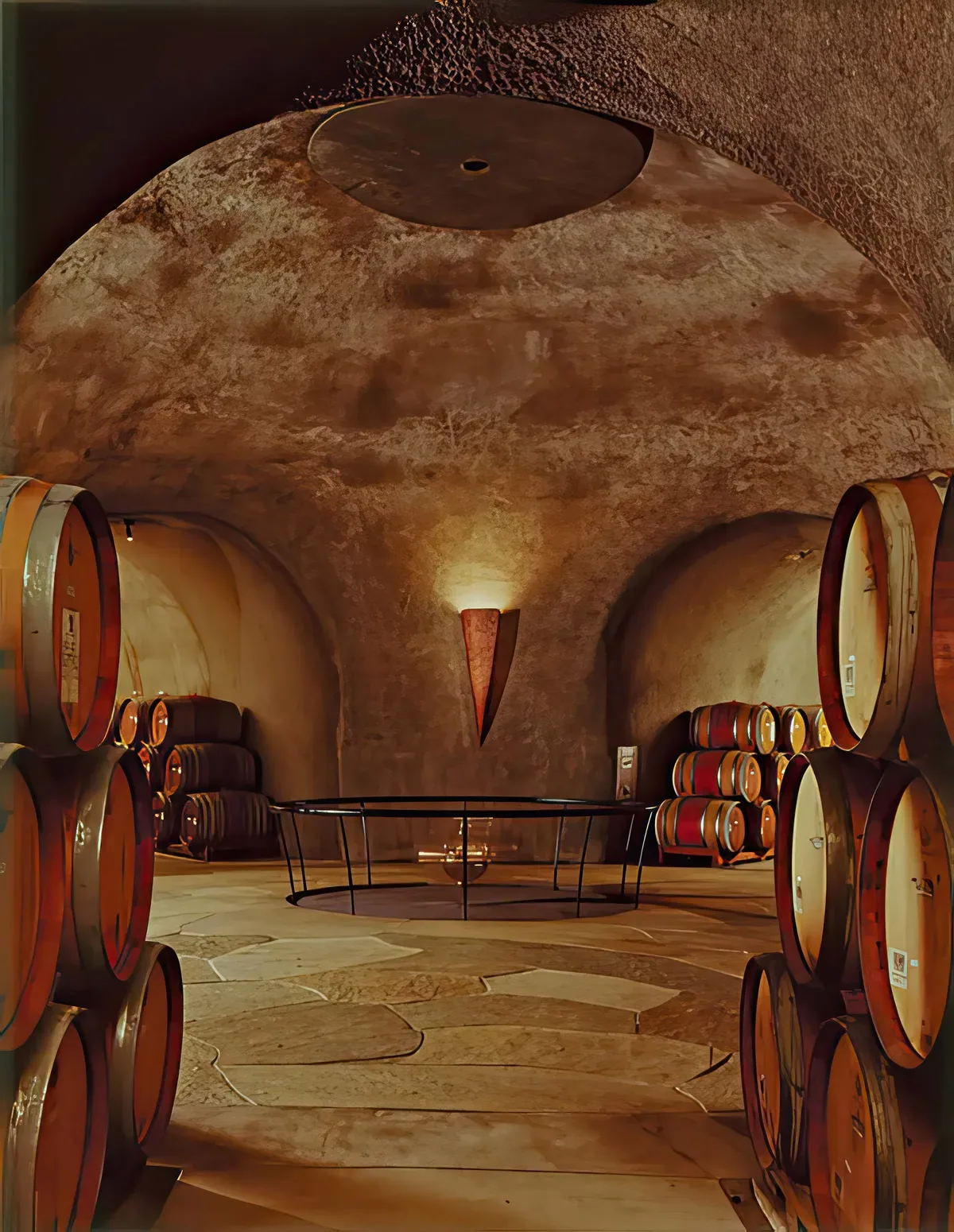
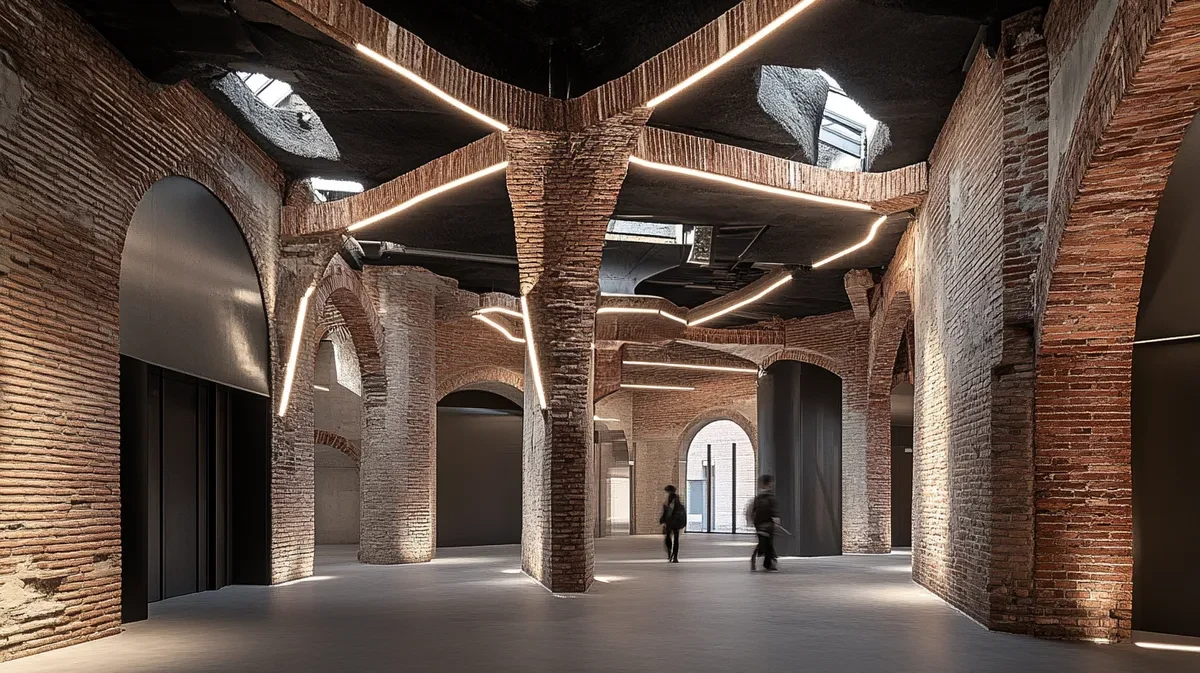
The underground galleries we designed extend like an organic network beneath the hills, following the natural curves of the terrain. Each tunnel, each barrel room, each storage space was conceived not only to optimize wine aging conditions, but to create a spatial experience that would honor the solemnity and mystery of the winemaking process.


galerías subterráneas


The Arcade: The Vertebral Element

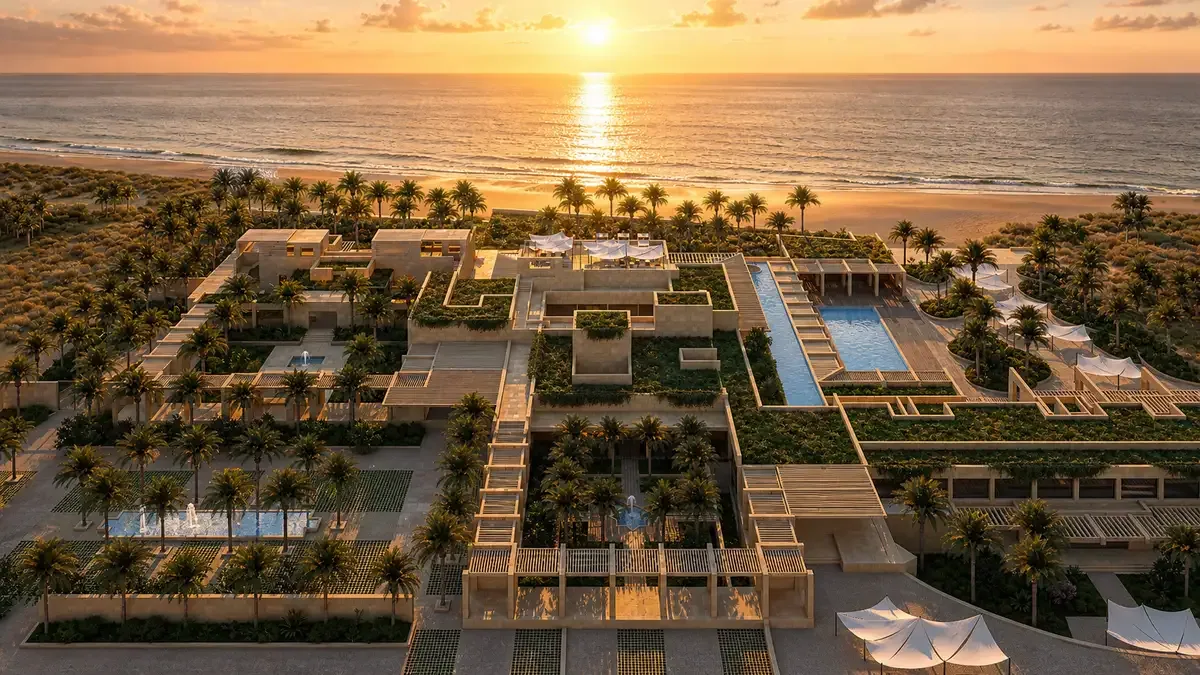
The true heart of the entire architectural composition is "The Arcade" - a porch-archway that functions as the vertebral element connecting the underground world of production with the world of visitor experience. This structure did not emerge as an isolated idea, but as the natural response to the need to create a fluid transition between the different components of the complex.


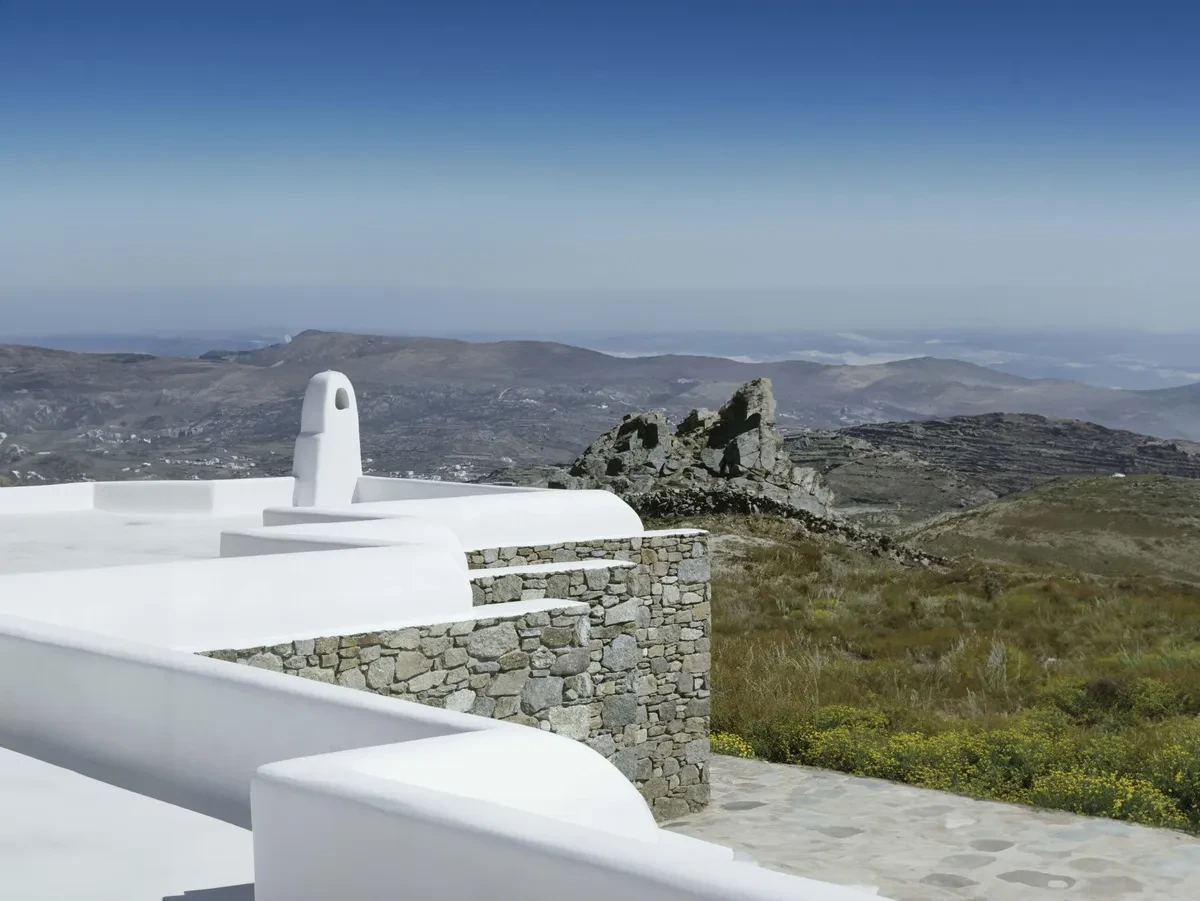
The Arcade represents my contemporary interpretation of the great Mediterranean architectural traditions. Porches have been for centuries elements that create transitional spaces, offering protection while maintaining visual connection with the landscape. At Stag's Leap, this typology acquires an additional dimension: it not only connects physical spaces, but connects experiences, creating a bridge between productive tradition and contemporary hospitality.


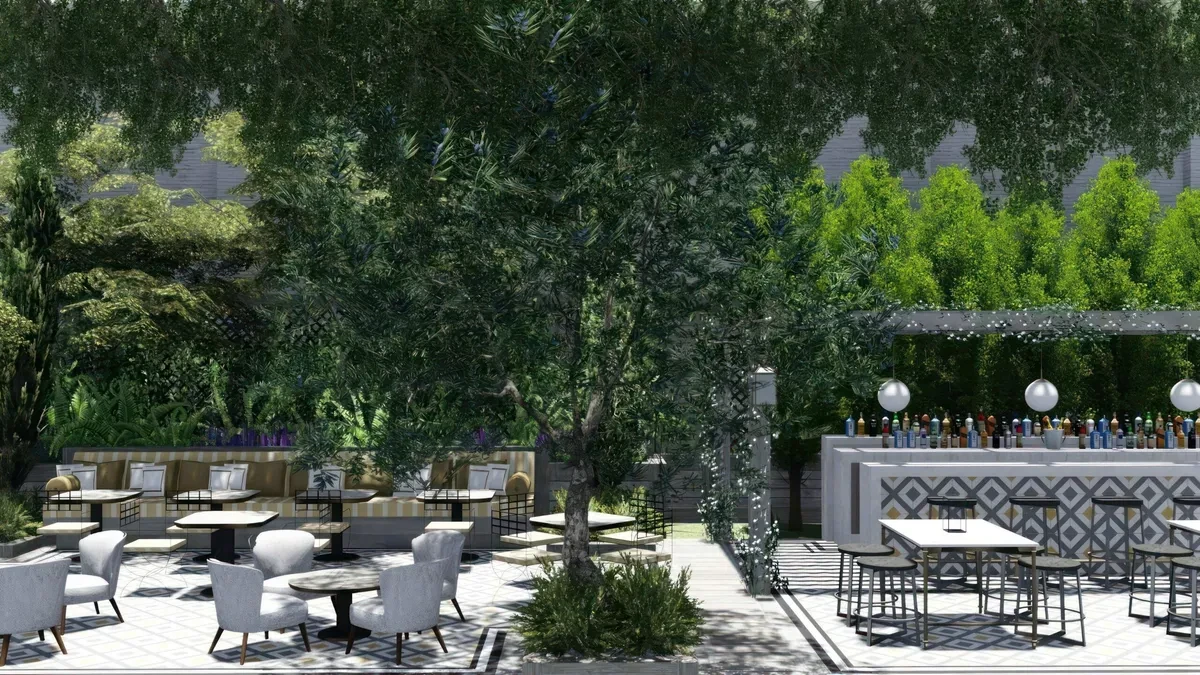
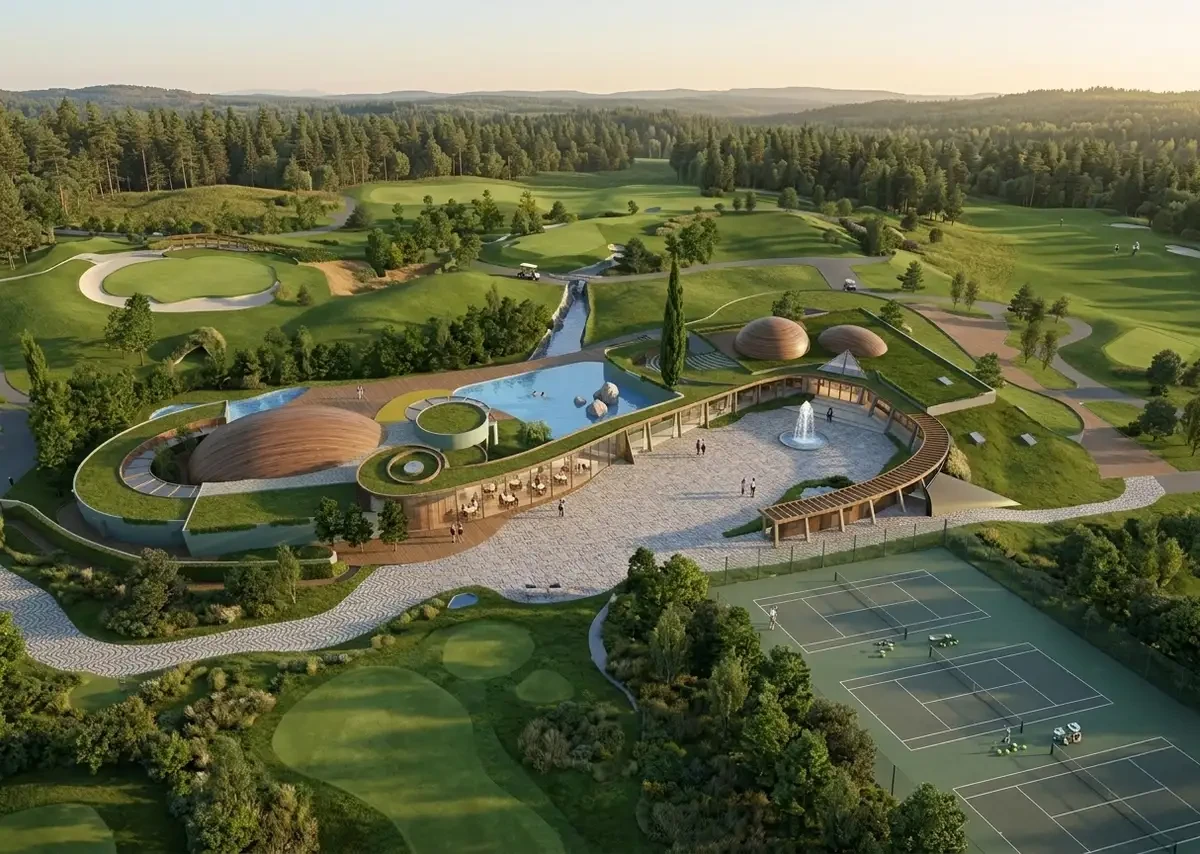
From The Arcade unfolds a large plaza that functions as the social heart of the complex. This plaza is not a residual space between buildings; it is a carefully designed viewpoint that allows visitors to pause and absorb the magnificence of the valley before entering the more intimate experiences offered by both the production caves and the tasting rooms.


The Arcade: El Elemento Vertebrador

The Evolution: From Cellar to Visitor Center

The second phase of the project - the visitor center - emerged as a natural evolution of the first. Having created the spaces where wine is born and matures, it was necessary to create the spaces where it is celebrated and shared. This transition from functional to experiential represents one of the most fascinating aspects of the project from an architectural standpoint.


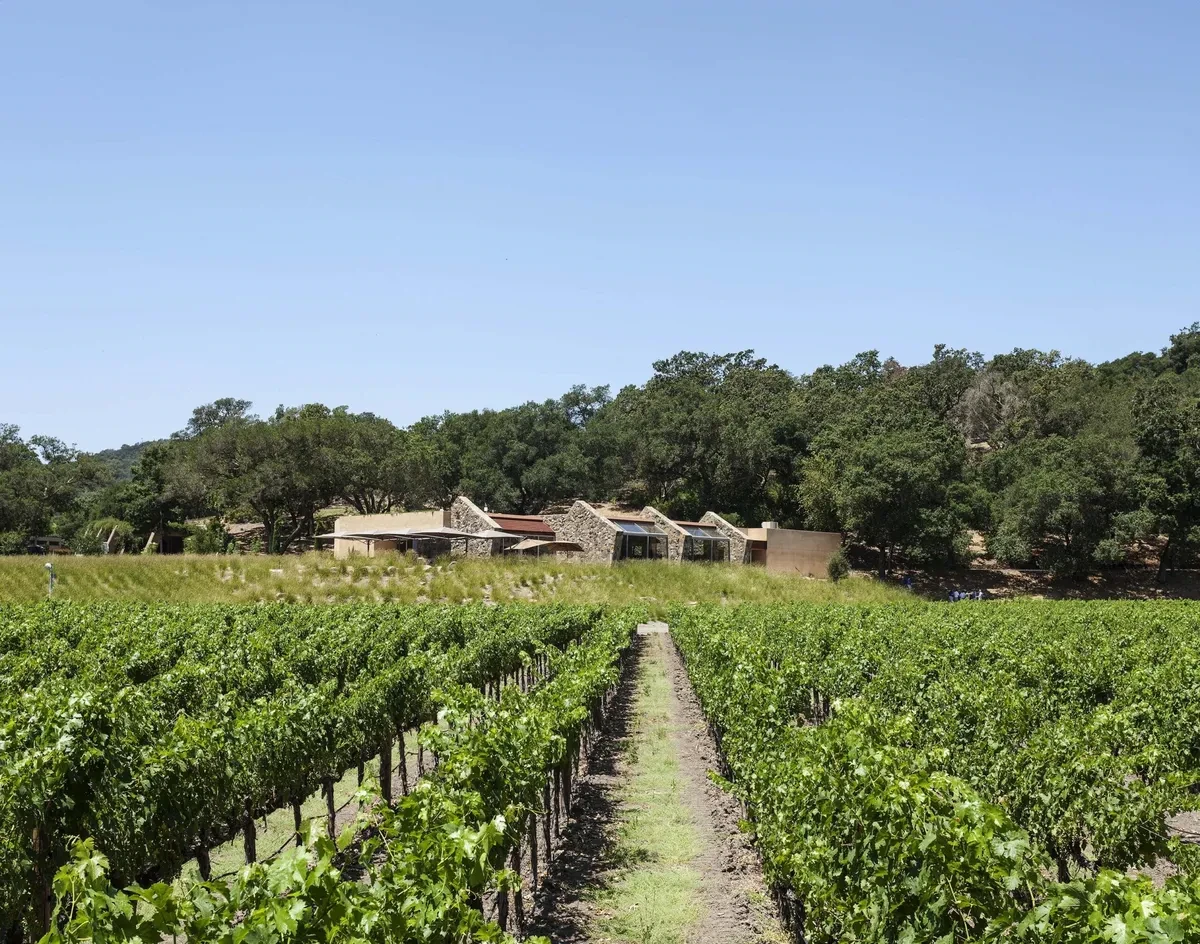
The visitor center rises as a building that constantly dialogues with the underground structures that preceded it. While the caves sink into the earth seeking thermal stability and protection, the visitor center rises toward the light, framing landscape views and creating spaces where the wine experience combines with contemplation of the environment that produces it.


This duality between the underground and the elevated, between the protected and the open, between the functional and the experiential, creates a programmatic and spatial richness that I consider one of the most successful characteristics of the project. Visitors can experience both the intimacy of the aging caves and the openness of the tasting rooms with panoramic views, thus understanding the complete cycle from production to wine enjoyment.


Visitor Center

Immersion Spaces: Great Room and Round Room

Within the underground network that connects both projects, we have created two spaces that I consider especially significant: the "Great Room" and the "Round Room." These spaces function as meeting points between productive function and visitor experience, places where architecture serves both the operational needs of the winery and the creation of memorable experiences.


The Great Room is conceived to receive distinguished guests in an environment that combines the functionality of a workspace with the warmth necessary for hospitality. Here, technical tastings with winemakers can be conducted, presentations of new harvests, or simply intimate gatherings where wine is tasted in the same environment where it has been aged.


The Round Room, strategically located at the intersection of multiple tunnels connecting production areas with visitor areas, represents perhaps the most poetic space of the project. Its grand vault and the Foucault pendulum hanging from the center are not decorative elements; they are physical manifestations of the concept of time that is so central to both wine production and enjoyment. The pendulum symbolizes the passage of time that transforms grape into wine, that converts work into art, that makes each bottle a testimony to an unrepeatable moment.


Great Room y Round Room


Materiality as Unifying Narrative

One of the most important decisions of the project was to develop a material vocabulary that would unify both phases of the development. Materials are not simply constructive elements; they are the silent narrators of the story told by the entire architectural complex.

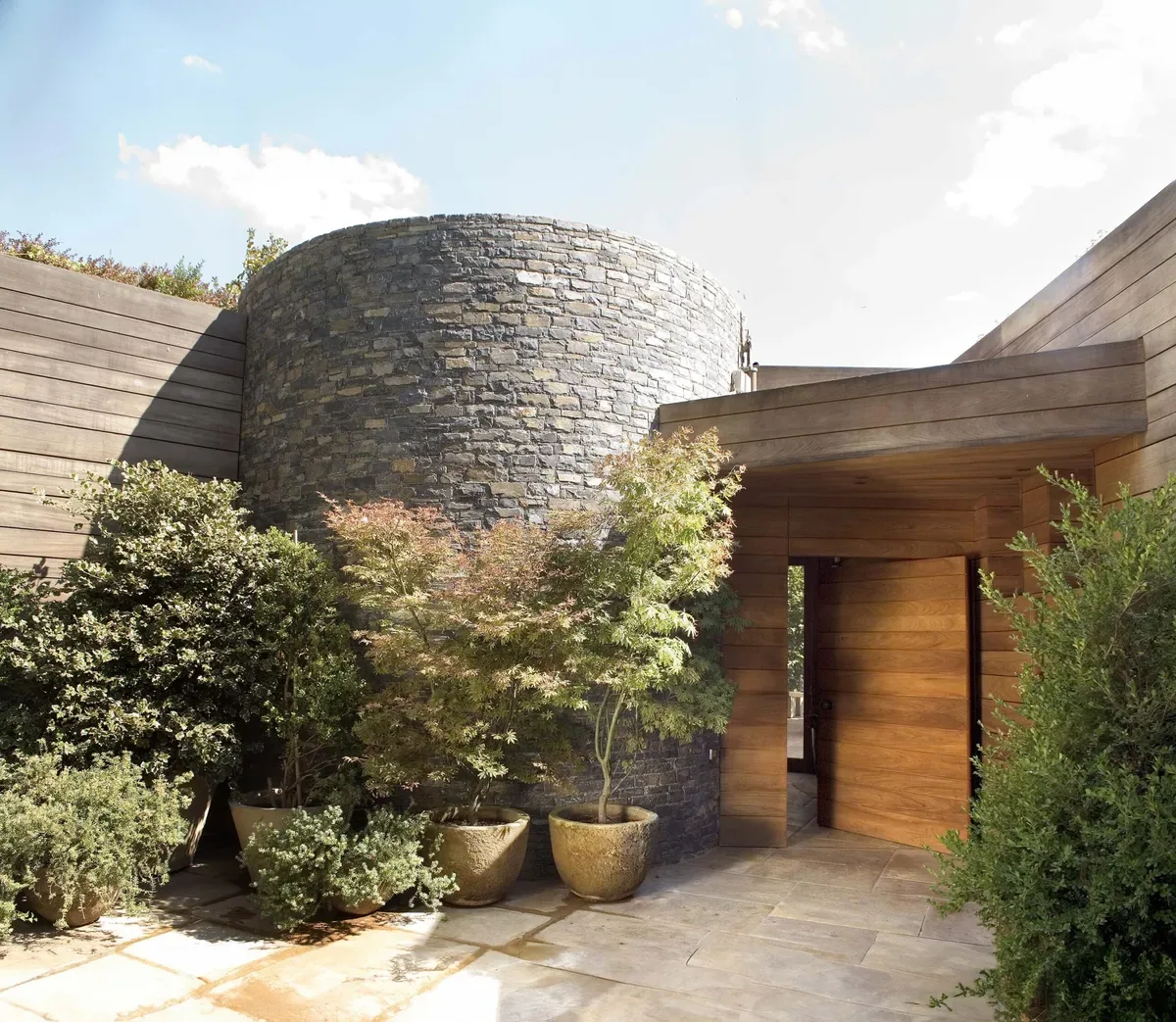
For the floors, both in the caves and in the visitor center, we selected natural quartzite slabs extracted from local quarries. This stone, formed over millennia, carries in its texture and color the geological history of the valley. Walking on these floors is walking on the very memory of the landscape, establishing an immediate tactile connection between the visitor and the place, whether in the depths of the caves or in the elevated tasting rooms.

The walls received a finish of cement and mica that, under different lighting conditions, creates surfaces that seem to breathe. In the caves, this materiality contributes to the sensation of being in direct contact with the earth, while in the visitor center, the same surfaces capture and reflect the changing light of day, creating a spatial experience that is never exactly the same.


Lighting Systems: From Intimacy to Celebration

The development of lighting systems for both projects represented one of the most sophisticated explorations we have undertaken in the use of light as an architectural element. Each space required a different approach, but all had to form part of a coherent luminous narrative.


In the underground caves, floor-mounted lights and copper cones integrated into the walls create what I like to call "a captivating play of reflections" that evokes the starry nights of the valley. This lighting transforms the production spaces into caverns of light and shadow where technical work is elevated to the category of ritual.


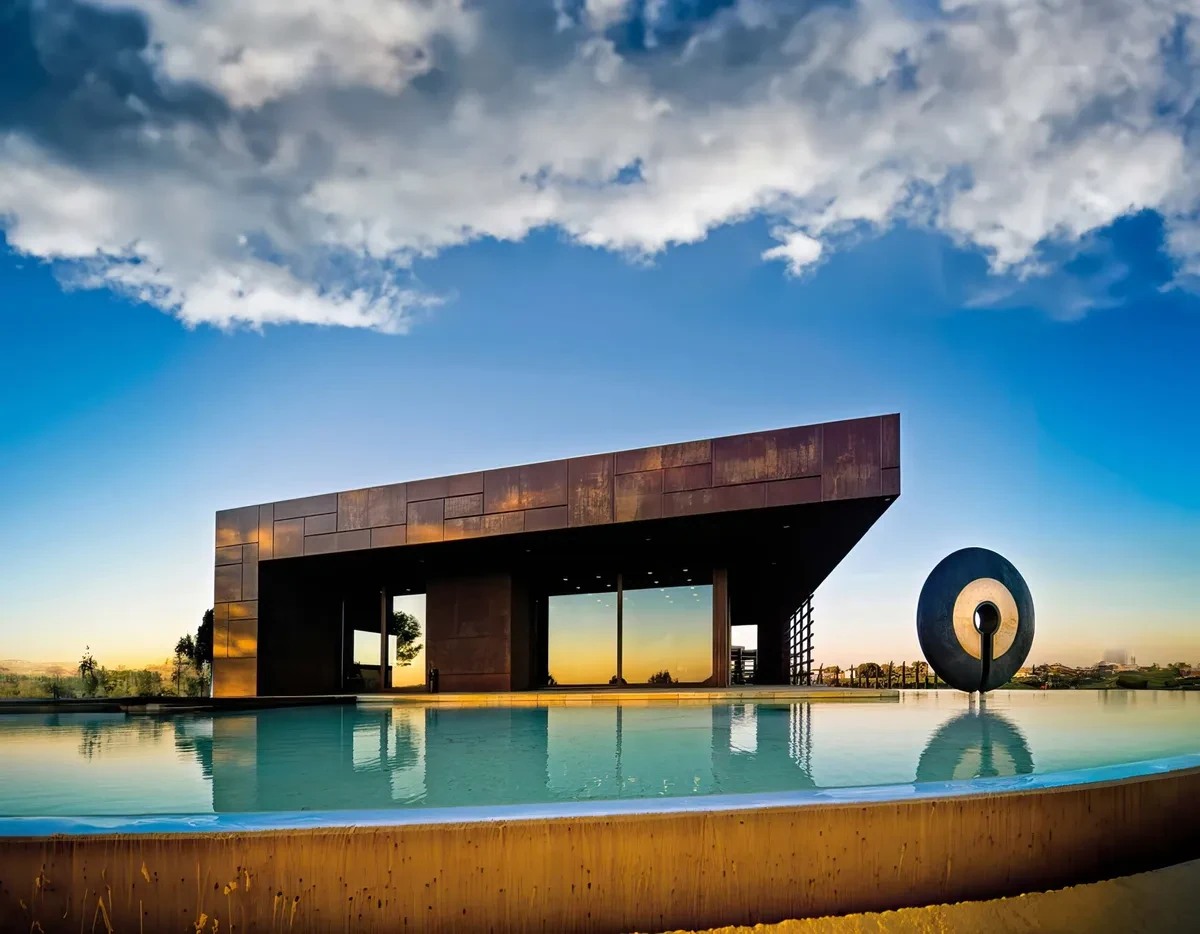
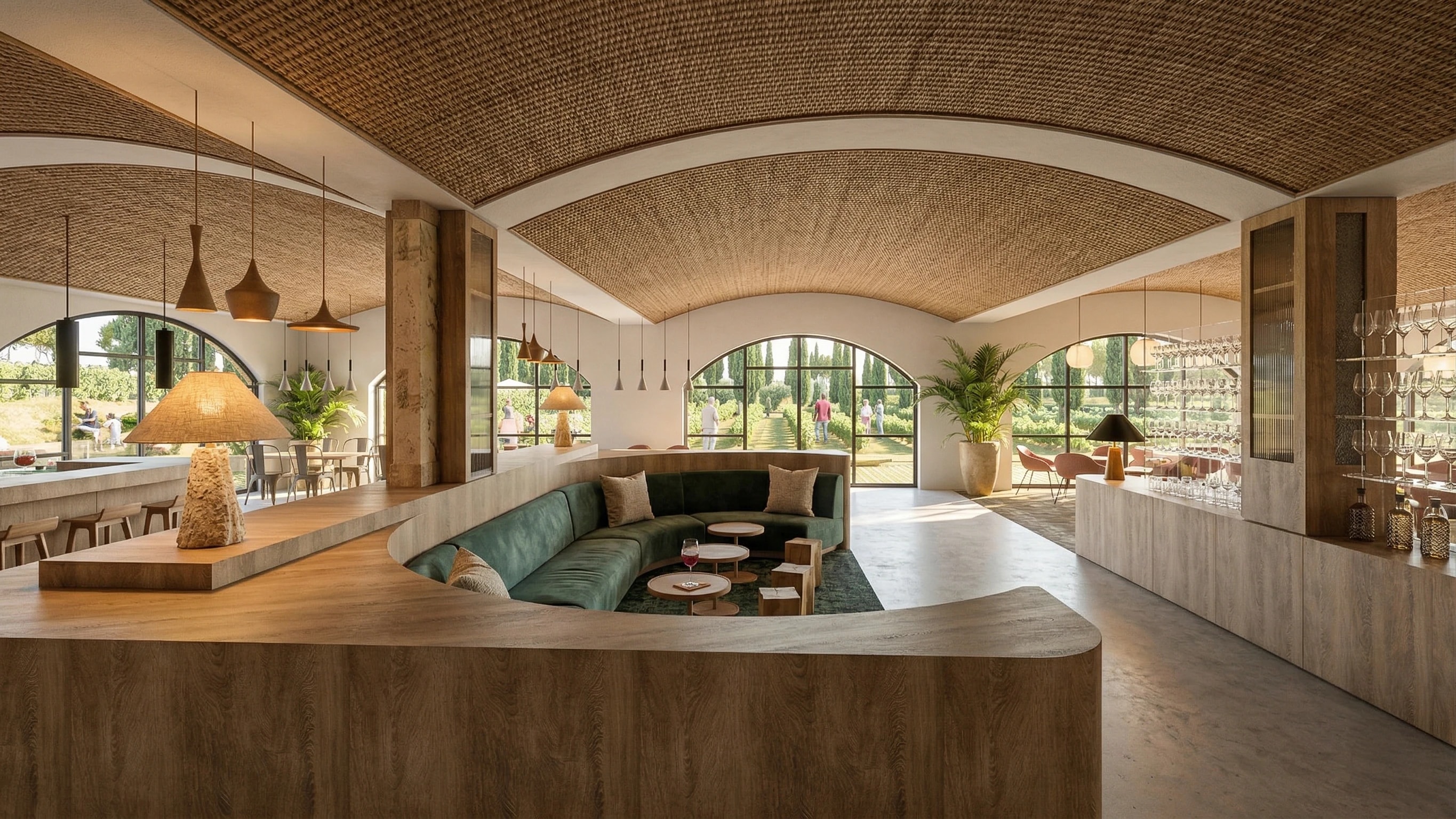
In the visitor center, the lighting system becomes more dramatic and celebratory. The floor-to-ceiling windows that characterize the main hall not only frame landscape views; they also function as luminous devices that change the character of the space throughout the day. During morning tastings, the soft light of dawn creates a contemplative atmosphere, while in the afternoons, the golden light of the California sunset transforms the space into a theatrical stage for wine celebration.


Landscape Integration: A Holistic Design

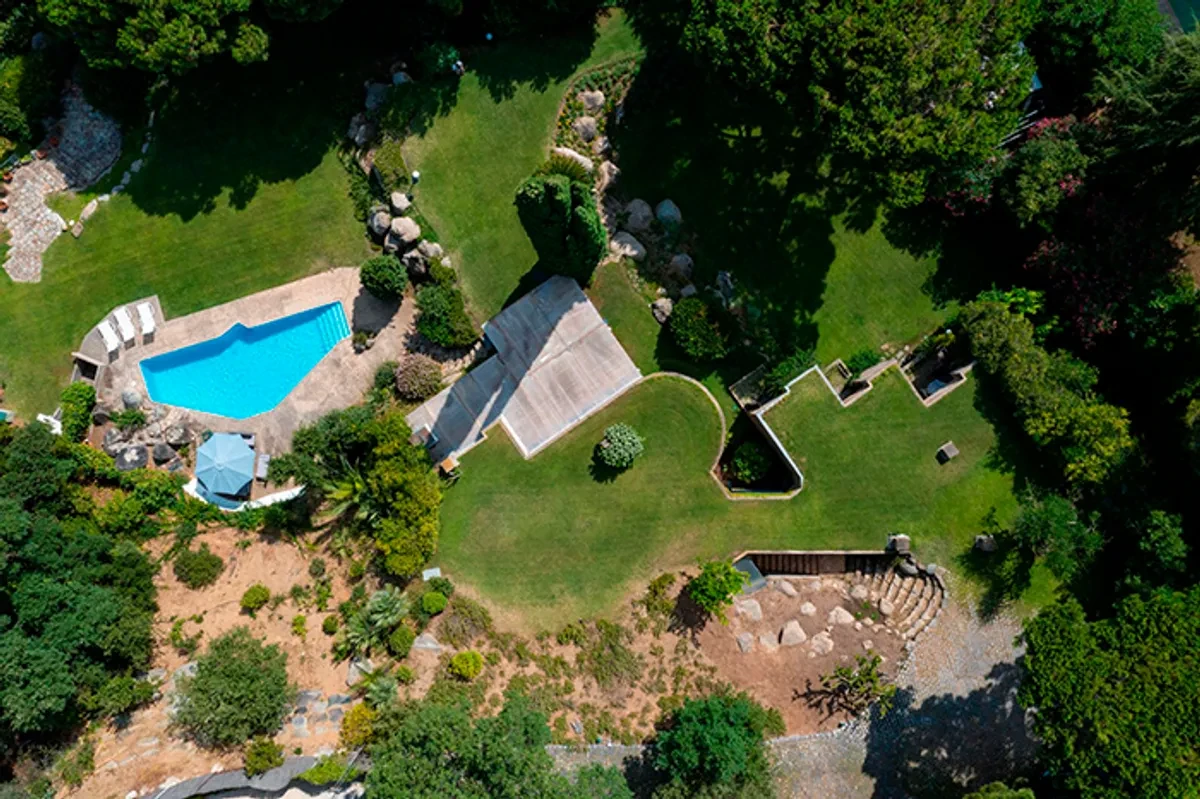
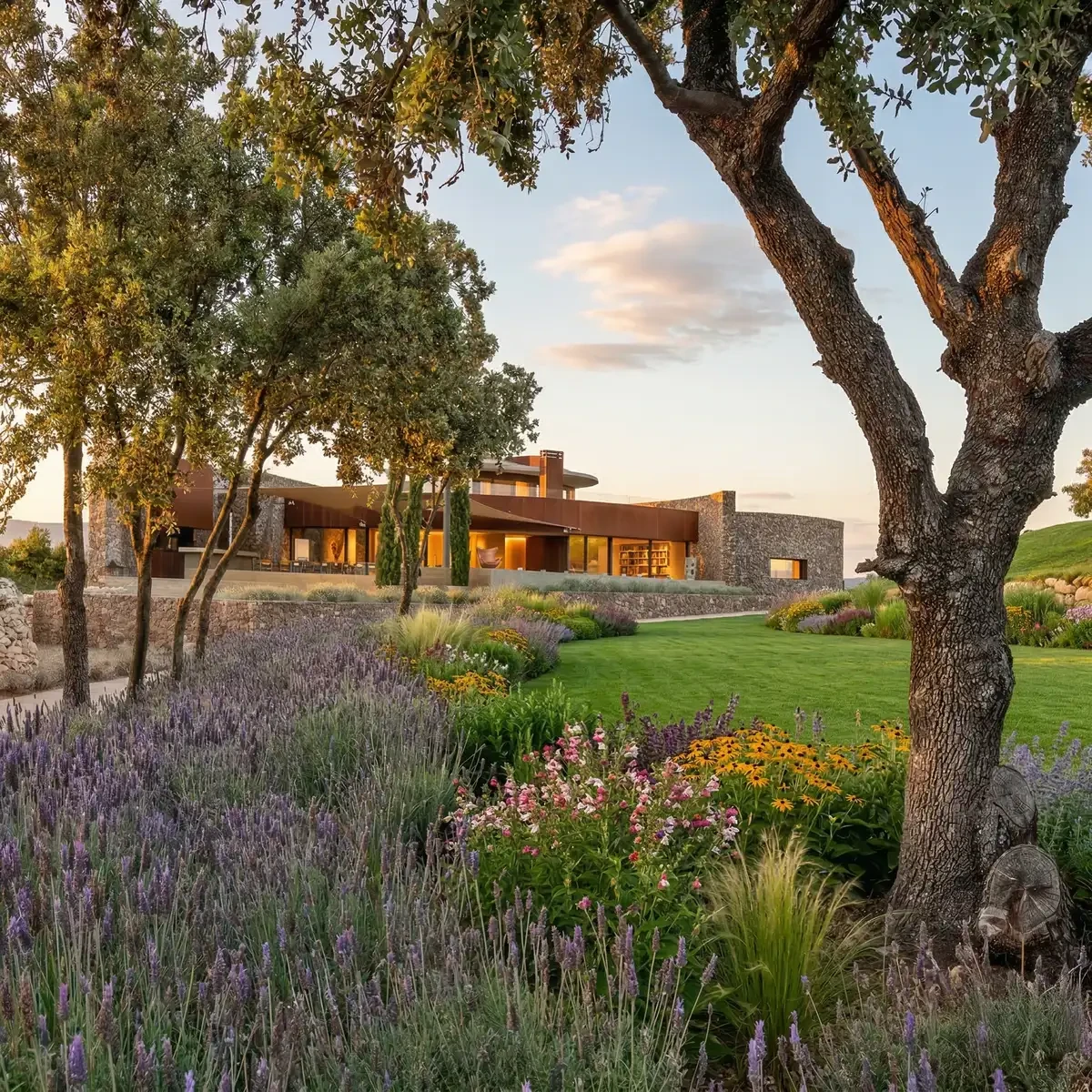
The design of the surrounding landscape was conceived from the beginning as a unifying element that would connect both projects in a coherent composition. These are not decorative gardens added later, but rather an integral landscape strategy that serves both the functional needs of the winery and the aesthetic experience of the visitor.


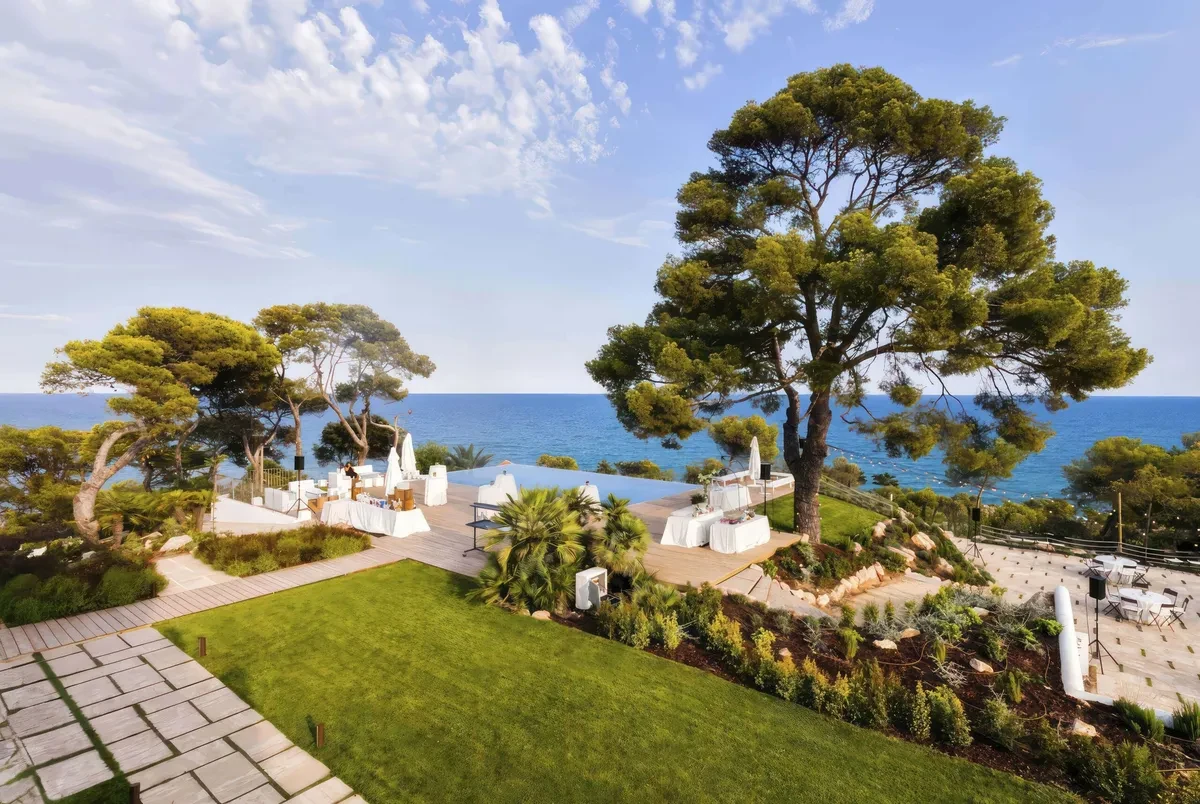
The carefully designed terraces and tranquil pond located at the front of the visitor center create a sequence of exterior spaces that guide the visitor from arrival to complete immersion in the wine experience. These elements not only provide visual beauty; they also function as transitional devices that emotionally prepare the visitor for the experiences awaiting them in both the caves and the tasting rooms.


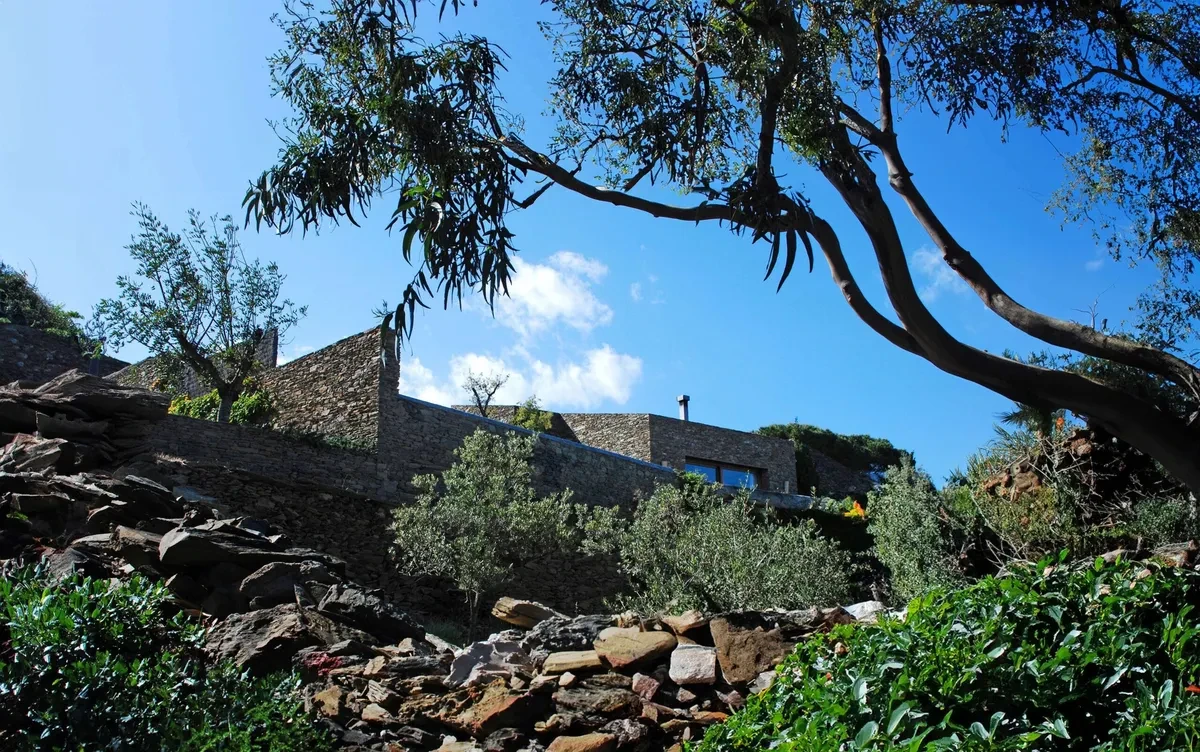
The native vegetation we incorporated throughout the site reflects my long-standing commitment to sustainability, but also serves to visually integrate the different structures into the natural landscape of the valley. Each plant was selected not only for its ability to thrive in Napa Valley's Mediterranean climate, but for its contribution to the visual narrative that connects architecture with environment.


Integración Paisajística

An Integral Multisensory Experience

What makes me most proud of this project is how it manages to create a truly multisensory experience that encompasses the entire cycle of wine culture, from production to enjoyment. Visitors don't simply see beautiful spaces; they live a complete journey that allows them to understand and appreciate the complexity and beauty of the winemaking process.


The tour begins in the underground caves, where muffled sound, constant temperature, and intimate lighting create an atmosphere of reverence toward the wine aging process. Here, visitors can touch the barrels, smell the aromas escaping from the wood, listen to technical explanations from winemakers in an environment that honors the seriousness of the craft.


The transition to the visitor center marks a dramatic change in sensory experience. Natural light, panoramic landscape views, the sound of water in the pond, all contribute to creating an atmosphere of celebration and enjoyment. The tasting rooms with their floor-to-ceiling windows allow visitors to visually connect the wine they are tasting with the landscape that produces it, creating an integral understanding of the relationship between place and product.


Experiencia Multisensorial

Reflections on Integral Architecture

After more than four decades designing spaces on different continents and cultures, I have come to understand that the most successful projects are those that manage to integrate multiple functions and experiences into a coherent vision. Stag's Leap Wine Cellar represents, for me, a perfect example of how architecture can simultaneously serve productive, experiential, and aesthetic needs without sacrificing any of them.


The key to this project's success lies in having understood from the beginning that we were not designing isolated buildings, but creating an architectural ecosystem where each element reinforces and enriches the others. The underground caves are not just functional spaces; they are the experiential foundation that gives depth and authenticity to the visitor center experience. The visitor center is not just a hospitality space; it is the natural culmination of a process that begins in the depths of the earth.


A Legacy of Integration

When I visit the project today, several years after its completion, I am moved to see how the spaces we designed have taken on a life of their own and how the integration between both projects has created synergies that go beyond what we initially imagined. Visitors don't experience two separate buildings; they live a continuous architectural narrative that takes them from technical understanding of the winemaking process to sensorial celebration of the final product.


This project has reinforced my conviction that the most successful architecture is that which becomes invisible, which allows human experience and productive function to take center stage. At Stag's Leap, architecture does not compete with wine or landscape; it frames them, celebrates them, and presents them in the most beautiful and functional way possible.

As an architect who has had the fortune to work on wine projects for some of the most prestigious names in the wine world, I can affirm that Stag's Leap Wine Cellar represents a milestone in my understanding of how architecture can integrally serve production, tradition, innovation, and human experience, creating spaces that enrich both the work and life of those who inhabit and visit them.


In a world where architecture often seeks to call attention to itself, projects like this remind us that true architectural greatness lies in the ability to create spatial ecosystems that function as living organisms, where each part contributes to the success of the whole and where the sum is truly greater than the individual parts.


Comments


bottom of page